

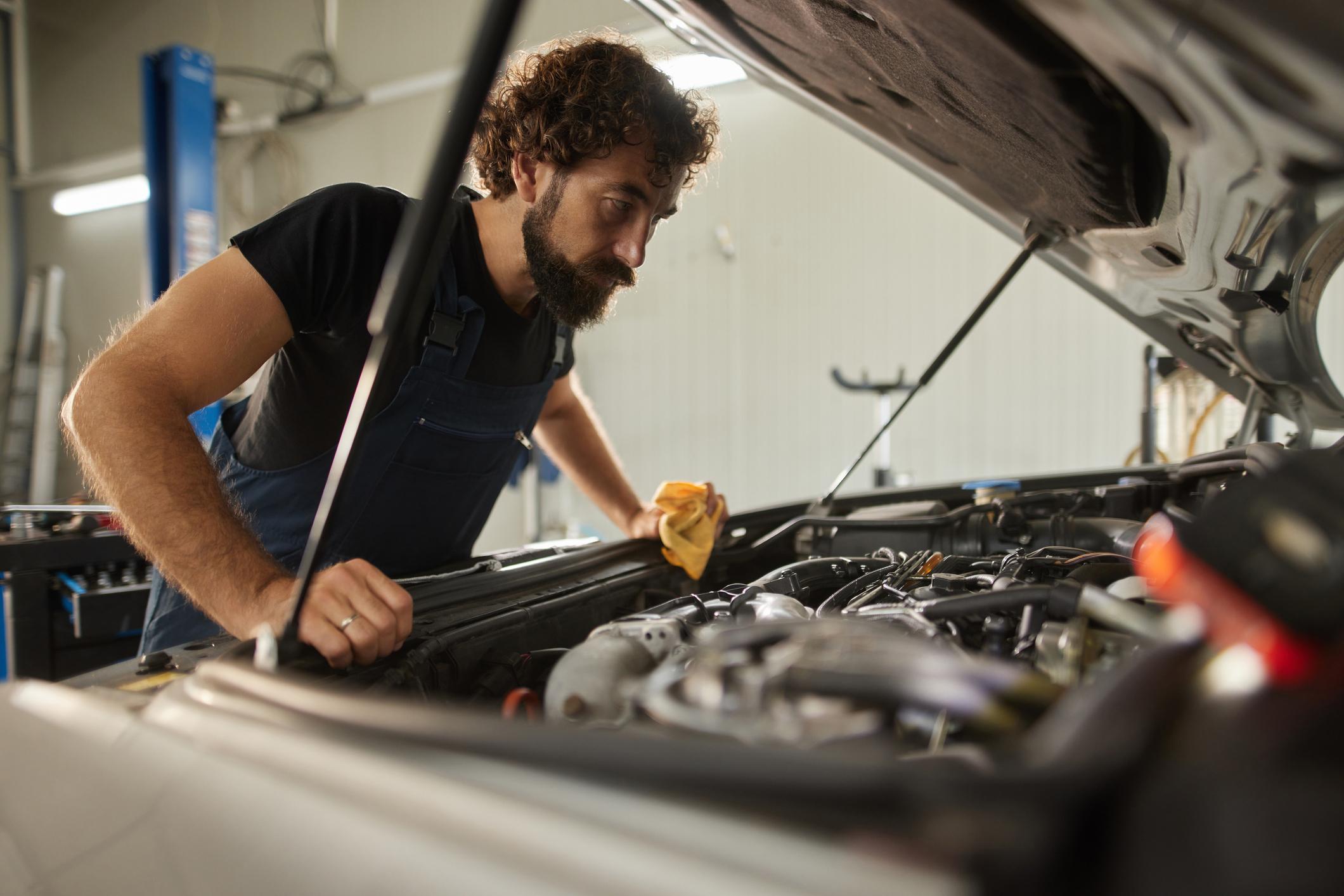
Cars are complex machines made up of thousands of moving parts, so it’s inevitable that problems will arise over time. Some issues appear suddenly, while others develop gradually due to wear and tear.
The good news is that many common car problems can be identified and fixed quickly, especially when you know the warning signs and basic solutions. Learning how to handle minor issues can save time, money, and unnecessary trips to the repair shop.
Below are some of the most common car problems drivers encounter and practical ways to deal with them efficiently.
Dead Battery
A dead battery is one of the most frequent reasons a car fails to start. It often occurs because of leaving lights on, extreme weather, or an aging battery.
Warning Signs
- Engine won’t start or cranks slowly
- Dim headlights
- Clicking sound when turning the key
- Electrical components not functioning
Quick Fix
- Use jumper cables and connect your battery to a working vehicle.
- Allow the battery to charge for a few minutes before starting the engine.
- If the battery repeatedly dies, consider replacing it, as most car batteries last 3–5 years.
Flat or Low Tire Pressure
Tire problems are common and can happen due to punctures, worn tread, or temperature changes.
Warning Signs
- Car pulling to one side
- Visible tire damage
- Low tire pressure warning light
- Reduced fuel efficiency
Quick Fix
- Use a portable air compressor to inflate the tire.
- Check the tire for nails or sharp objects.
- If the tire is punctured, install the spare tire until proper repair is possible.
Regular tire pressure checks help prevent sudden breakdowns.
Engine Overheating
An overheating engine can cause severe damage if ignored. It typically results from cooling system issues.
Warning Signs
- Temperature gauge rising into the red zone
- Steam coming from the hood
- Coolant warning light
- Sweet smell from leaking coolant
Quick Fix
- Pull over and turn off the engine immediately.
- Allow the engine to cool before opening the hood.
- Check coolant levels and refill if necessary.
- If overheating continues, the vehicle may need professional inspection.
Check Engine Light
The check engine light can indicate anything from a minor sensor issue to a serious mechanical problem.
Common Causes
- Loose gas cap
- Faulty oxygen sensor
- Worn spark plugs
- Catalytic converter problems
Quick Fix
- First check if the gas cap is loose or damaged.
- Tighten it and restart the car.
- If the light stays on, a diagnostic scan may be required to identify the exact problem.
Ignoring the warning can lead to more expensive repairs.
Faulty Starter Motor
If the starter motor fails, the engine won’t turn over when you try to start the vehicle.
Warning Signs
- Clicking noise when turning the key
- Engine not cranking
- Dashboard lights working but car won’t start
Quick Fix
- Try turning the ignition several times.
- Tap the starter lightly if accessible.
- If the issue persists, the starter motor likely needs replacement.
Worn Brake Pads
Brake pads gradually wear down due to friction. Driving with worn brakes reduces stopping power and safety.
Warning Signs
- Squealing or grinding noise
- Vibrations when braking
- Increased stopping distance
- Brake warning light
Quick Fix
- Inspect brake pads visually if possible.
- Replace worn brake pads as soon as possible.
- Avoid heavy braking until repairs are made.
Routine brake maintenance prevents more costly damage to rotors and calipers.
Alternator Problems
The alternator powers electrical components and charges the battery while the engine runs.
Warning Signs
- Battery warning light on the dashboard
- Flickering headlights
- Electrical malfunctions
- Frequent battery drainage
Quick Fix
- Inspect the alternator belt for looseness or damage.
- Tighten or replace the belt if necessary.
- If electrical issues continue, the alternator may require professional repair.
Simple Preventive Maintenance Tips
Preventing problems is always easier than fixing them later. Basic maintenance greatly reduces the chances of breakdowns.
Helpful habits include:
- Checking tire pressure regularly
- Changing engine oil on schedule
- Inspecting battery terminals
- Monitoring fluid levels
- Replacing air filters when needed
These small tasks keep a vehicle running smoothly and extend its lifespan.
Conclusion
Car problems can happen at any time, but many common issues have simple solutions that drivers can handle quickly. Understanding warning signs such as unusual noises, warning lights, or performance changes allows you to respond before a minor issue becomes a costly repair.
By combining basic troubleshooting skills with regular maintenance, drivers can improve vehicle reliability, enhance safety, and avoid unexpected breakdowns on the road.
FAQ: Common Car Problems
1. Why does my car stall while driving?
Stalling can occur due to fuel system issues, faulty sensors, or ignition problems. A professional diagnostic test can determine the exact cause.
2. What causes a car to shake while driving?
Shaking can result from unbalanced tires, worn suspension components, or brake system problems.
3. How often should I replace my car battery?
Most batteries last three to five years, but extreme temperatures and frequent short trips can shorten battery life.
4. Why is my car making a knocking sound?
Knocking noises may indicate engine problems such as low oil levels, worn bearings, or improper fuel combustion.
5. What should I do if my brakes feel soft?
Soft brakes may indicate air in the brake lines or low brake fluid, which should be inspected immediately for safety.
6. Can low engine oil damage a car?
Yes. Low oil reduces lubrication inside the engine, increasing friction and potentially causing severe engine damage.
7. Why does my car smell like burning rubber?
This smell can occur if a belt is slipping, a hose touches a hot component, or the clutch is overheating. Immediate inspection is recommended.

Comments are closed.