

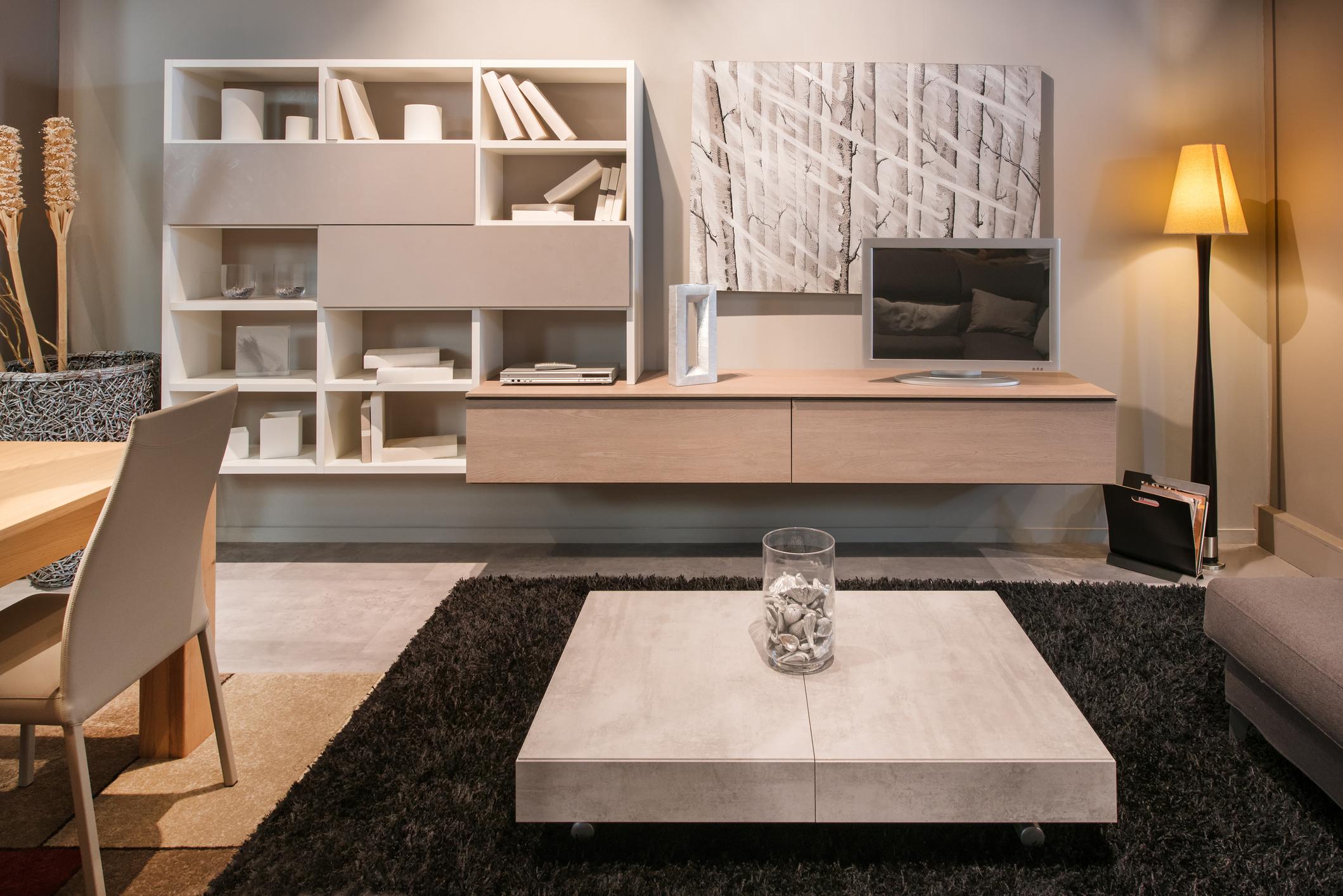
Living in a small home or apartment can be challenging, especially when it comes to storage and organization. However, with thoughtful planning and creative design strategies, even the smallest spaces can feel comfortable, functional, and visually appealing.
Maximizing small living spaces involves efficient organization, smart furniture choices, and thoughtful interior design. By using space effectively, homeowners and renters can create environments that feel larger and more practical without sacrificing style.
Understanding a few practical design techniques can make a significant difference in how a small living area functions.
Declutter and Prioritize Essentials
The first step to maximizing a small space is removing unnecessary items. Clutter makes rooms feel cramped and disorganized, reducing the usable area.
Effective Decluttering Strategies
Consider these practical steps:
- Keep only items that serve a clear purpose
- Donate or store rarely used belongings
- Organize everyday items for easy access
- Avoid accumulating unnecessary decorations
A clutter-free environment instantly creates a sense of openness and improves functionality.
Choose Multi-Functional Furniture
Furniture that serves multiple purposes is ideal for compact living spaces. These pieces allow you to maximize usability without overcrowding the room.
Examples of Multi-Functional Furniture
- Sofa beds that convert into sleeping areas
- Storage ottomans with hidden compartments
- Extendable dining tables
- Beds with built-in drawers
- Foldable desks for small workspaces
Using versatile furniture reduces the need for additional items and helps maintain a clean layout.
Utilize Vertical Space
Many small homes lack floor space but have unused vertical areas. Taking advantage of walls and higher surfaces can significantly increase storage capacity.
Smart Vertical Storage Ideas
- Install wall-mounted shelves
- Use tall bookcases or cabinets
- Hang hooks for bags, coats, or kitchen tools
- Install floating shelves above desks or beds
Vertical storage helps keep floors clear while maximizing storage potential.
Use Light Colors and Natural Light
Color and lighting play a crucial role in how spacious a room feels. Light tones and natural lighting create an illusion of openness.
Design Tips for Brighter Spaces
- Use light-colored walls such as white, beige, or soft gray
- Choose reflective surfaces like mirrors or glossy finishes
- Allow natural light to enter by using sheer curtains
- Position mirrors to reflect windows and brighten the room
These techniques make small spaces appear larger and more inviting.
Optimize Storage Solutions
Creative storage solutions are essential for maintaining organization in small living spaces.
Practical Storage Methods
- Under-bed storage containers
- Built-in cabinets and shelving
- Drawer organizers
- Stackable storage bins
Hidden storage options keep items accessible while reducing visible clutter.
Define Separate Functional Areas
In small apartments or studio layouts, different activities often take place in the same room. Defining functional zones helps create structure and improve organization.
Ways to Create Distinct Zones
- Use area rugs to separate spaces
- Place furniture strategically to define boundaries
- Use open shelving or partitions
- Arrange lighting to highlight specific areas
For example, a small living room can include separate zones for relaxation, work, and dining.
Incorporate Minimalist Design
Minimalist design focuses on simplicity and intentional use of space. By reducing unnecessary elements, rooms feel cleaner and more spacious.
Principles of Minimalist Interior Design
- Limit decorative items
- Choose furniture with clean lines
- Keep color schemes simple
- Focus on functionality
Minimalist design helps small spaces remain practical while maintaining a modern appearance.
Make Use of Hidden Spaces
Many homes have unused areas that can serve as storage if utilized creatively.
Examples include:
- Storage under staircases
- Space above cabinets
- Behind-door organizers
- Narrow wall gaps for shelving
Using these hidden areas helps increase storage without taking up valuable living space.
Maintain an Organized Layout
Even well-designed spaces can feel crowded if not properly organized. Maintaining a consistent layout keeps rooms functional and visually appealing.
Helpful Organization Habits
- Return items to their designated storage spaces
- Avoid overcrowding furniture
- Keep frequently used items easily accessible
- Regularly review and reorganize belongings
Consistent organization ensures that small living spaces remain comfortable and efficient.
Conclusion
Maximizing small living spaces requires a thoughtful combination of organization, smart furniture choices, and creative design solutions. By decluttering, using multifunctional furniture, optimizing vertical storage, and maintaining a minimalist layout, even compact homes can feel spacious and practical.
Small spaces do not have to limit comfort or style. With careful planning and efficient use of available space, it is possible to create a living environment that is both functional and visually appealing.
FAQ: Maximizing Small Living Spaces
1. What type of furniture works best in small apartments?
Furniture that serves multiple purposes—such as sofa beds, foldable tables, and storage ottomans—is ideal for small living areas.
2. How can mirrors make a room look bigger?
Mirrors reflect light and create visual depth, which helps make a room appear larger and brighter.
3. Is minimalist design suitable for all small spaces?
Yes. Minimalist design reduces clutter and emphasizes functionality, making it especially effective in compact living environments.
4. How can renters improve small spaces without major renovations?
Renters can use removable shelves, storage organizers, foldable furniture, and decorative lighting to improve space efficiency.
5. What is the best way to store seasonal items in small homes?
Seasonal items can be stored in labeled containers under beds, in closets, or on high shelves that are not used daily.
6. How can studio apartments be organized effectively?
Dividing the room into functional zones using rugs, furniture placement, or shelving can help create structure in studio apartments.
7. Are open shelves good for small living spaces?
Yes. Open shelves provide easy access to items while keeping the room visually lighter than bulky cabinets.

Comments are closed.