

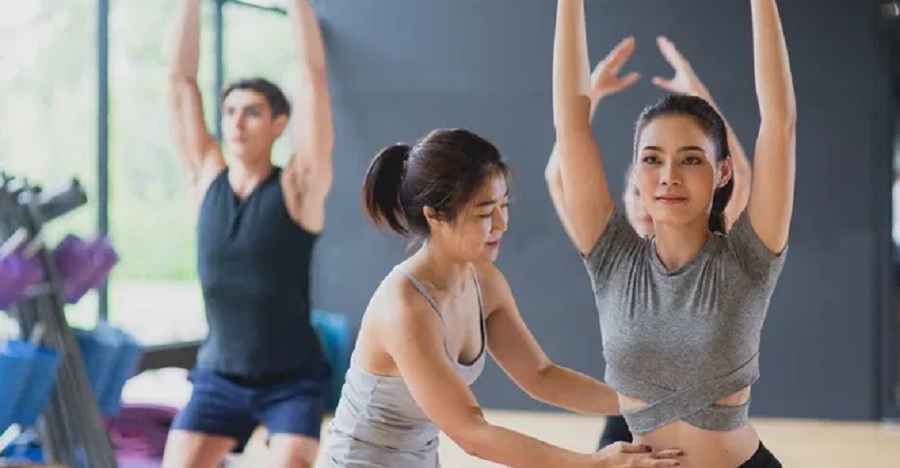
Gone are the days when yoga was perceived as only for the ultra-flexible or the ultra-fit. Today, yoga classes Singapore are evolving to welcome individuals of all body types, fitness backgrounds, and experience levels. In a society as diverse as Singapore, inclusivity in wellness is more important than ever—and modern yoga studios are stepping up to meet this growing need.
From plus-size practitioners to individuals recovering from injury, or even those who’ve never stepped onto a mat before, inclusive yoga ensures everyone can experience the mental, physical, and emotional benefits of the practice without fear of judgment or exclusion.
Understanding Inclusive Yoga: What It Really Means
Inclusive yoga is not a separate category of yoga, but rather an approach that ensures every participant feels welcome, capable, and safe—regardless of their size, shape, age, ability, or background.
The key elements of an inclusive class include:
- Modifications for Every Pose
Instructors offer multiple variations of each posture to suit different bodies and needs. - Use of Props Without Stigma
Blocks, straps, and bolsters are encouraged to make postures more accessible and supportive. - Neutral, Body-Positive Language
The focus is placed on how one feels rather than how one looks. You’ll hear cues about breath and alignment, not about burning calories or fitting into aesthetic ideals. - Empowerment Through Choice
Participants are reminded that it’s okay to skip poses, rest when needed, or adapt movements in ways that serve their bodies best.
Why Inclusivity Matters in the Singapore Yoga Scene
Singapore’s multicultural population represents a rich variety of lifestyles, occupations, and fitness experiences. As yoga becomes more mainstream, it’s essential to ensure that no one feels out of place when stepping into a studio.
Here’s why inclusivity is vital:
- Diverse Body Types
Singapore is home to people from various genetic and cultural backgrounds, all of whom may experience movement and mobility differently. - Wide Range of Fitness Levels
From sedentary office workers to active retirees, fitness levels vary significantly—and yoga must adapt accordingly. - Mental Health Awareness
Individuals managing anxiety, depression, or trauma may require slower-paced, safe environments that prioritise emotional comfort over physical intensity. - Ageing Population
With more seniors turning to yoga, age-inclusive practices have become essential for supporting active ageing.
The Role of the Instructor in Creating an Inclusive Environment
Inclusion starts with leadership, and yoga instructors play a vital role in setting the tone for a welcoming class environment. Here’s how the best teachers ensure everyone feels seen and supported:
- Using Inclusive Cues
Instead of saying “if you can’t touch your toes…”, instructors say, “feel free to bend your knees” or “use a strap to support the stretch.” - Demonstrating With Modifications
Rather than assuming one standard of movement, instructors show how poses can be done with or without props, standing or seated, on a mat or a chair. - Creating a Judgment-Free Space
Students are constantly reminded that yoga is a personal journey. There’s no need to compare, compete, or push past personal limits. - Offering Hands-Off Adjustments
Instructors may ask for consent before providing physical assistance or opt for verbal guidance to respect personal space.
Studios such as Yoga Edition are known for fostering such safe, welcoming environments, where inclusivity is not a trend—it’s a core value.
Class Formats That Prioritise Inclusion
Singapore’s yoga studios are now offering specialised formats designed to embrace all kinds of practitioners. Here are a few class types that exemplify inclusive teaching:
1. Gentle Yoga
Perfect for beginners, seniors, or those recovering from injury, this class focuses on slow, mindful movements with lots of support and guidance.
2. Chair Yoga
Designed for individuals with limited mobility or balance issues, this class uses a chair for seated and standing support, making yoga accessible even for those who can’t get on the floor.
3. Restorative Yoga
Using bolsters, blankets, and props, restorative classes focus on relaxation and healing. Ideal for people dealing with anxiety, fatigue, or chronic pain.
4. Body-Positive Flow
Some studios label specific classes as “body-positive,” celebrating diversity and promoting joyful movement without body-shaming or pressure to perform.
5. Beginner’s Basics
These foundational classes are slow-paced and detailed, making them perfect for first-timers or anyone returning to yoga after a long break.
Common Concerns and How Inclusive Yoga Addresses Them
People often hesitate to start yoga for various reasons. Inclusive classes directly address and dismantle these fears:
- “I’m too inflexible.”
Flexibility is not a requirement; it is a result of consistent practice. Props and modifications make poses accessible to all ranges of mobility. - “I’ll be the only one who doesn’t know what I’m doing.”
In beginner-friendly classes, many participants are just starting out. Instructors explain each pose clearly, often demonstrating at different difficulty levels. - “My body doesn’t look like a typical yoga body.”
There is no ‘ideal’ yoga body. Inclusive classes celebrate all body shapes and teach practitioners to move in ways that feel good, not just look good. - “I have a chronic condition or injury.”
Many instructors are trained in adaptive yoga and can guide you through safe practices tailored to your condition.
Building Confidence Through Yoga
One of the most powerful outcomes of inclusive yoga is the confidence it instils. Students often report not just physical improvements, but also emotional and mental breakthroughs.
Practising regularly can lead to:
- Greater body awareness
Learning how your body moves and feels helps develop respect and gratitude for it. - Improved self-image
Seeing yourself succeed on the mat—even in small ways—can reshape how you view yourself off the mat. - Sense of community
Inclusive yoga fosters a sense of belonging. It creates spaces where people cheer each other on and build authentic connections. - Consistency without burnout
When yoga meets you where you are, you’re more likely to stick with it long-term, building a practice that evolves as you do.
FAQ: Inclusive Yoga Classes in Singapore
Q1. Can I join a yoga class even if I’ve never exercised before?
Yes, absolutely. Many inclusive yoga classes in Singapore are designed for complete beginners. Instructors guide you gently and offer variations for every pose.
Q2. Are there yoga classes suitable for larger bodies?
Definitely. Body-positive yoga classes celebrate all body types and focus on movement that feels good rather than trying to meet a specific body image.
Q3. What if I have an injury or chronic illness?
You should speak with the instructor before class. Many are trained to offer safe modifications and alternative poses that accommodate injuries or chronic conditions.
Q4. I have anxiety. Will yoga help or trigger it?
Yoga is often recommended as a complementary therapy for anxiety. Classes that focus on breathwork and gentle movement can help regulate your nervous system and calm your mind. Start with a slower-paced or restorative class.
Q5. Is it okay to take breaks during class if I get tired?
Yes. One of the core teachings in inclusive yoga is listening to your body. Taking a break in child’s pose or simply lying down is always encouraged when needed.

Comments are closed.