

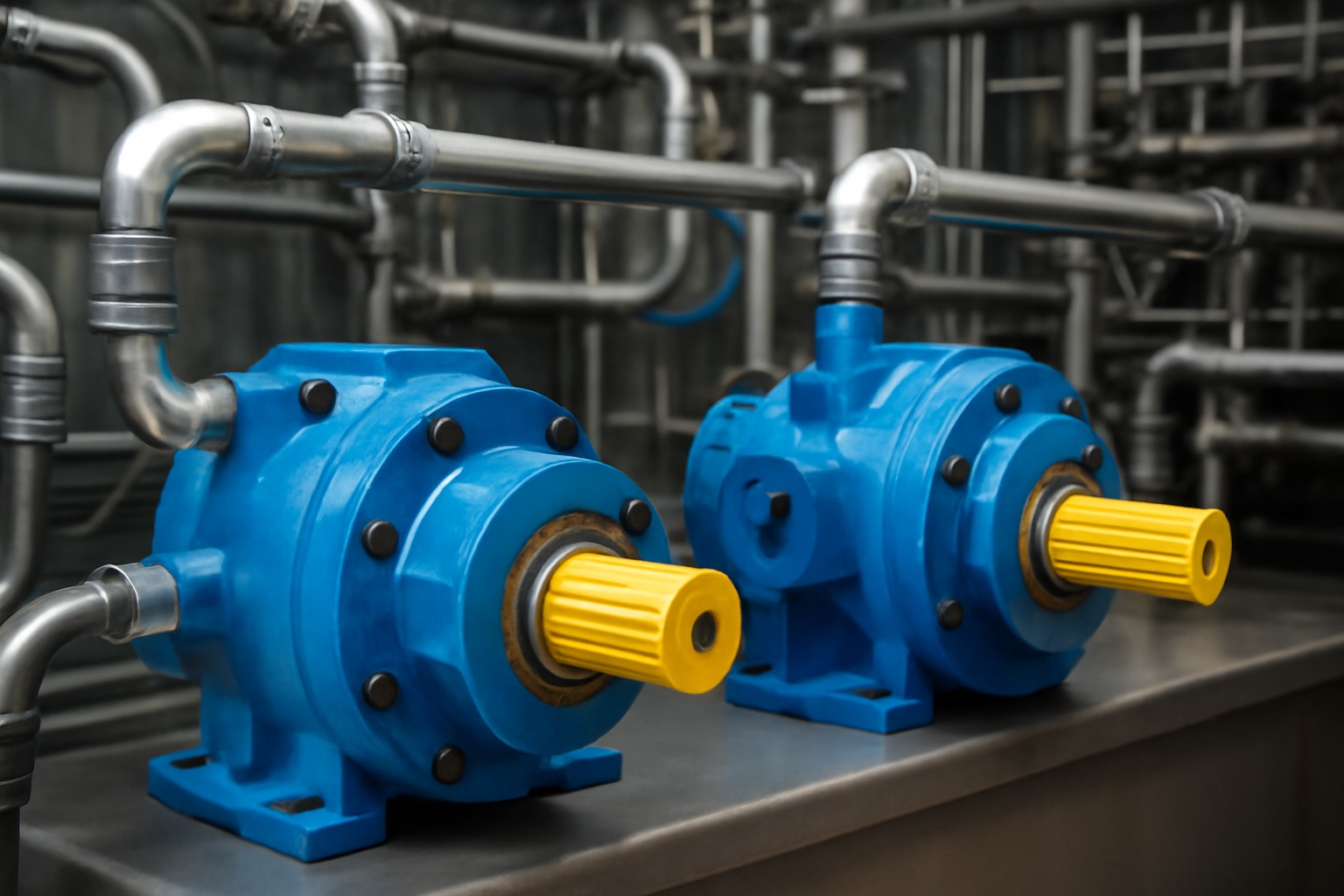
Selecting the right pump is one of the most important decisions in any industrial operation where fluid transfer, lubrication, or pressure control is involved. Among the various pump options available, industrial gear pumps have earned a strong reputation for reliability and consistent performance. They are widely used in manufacturing plants, chemical facilities, refineries, food processing units, and power generation operations. While these pumps may seem simple on the surface, choosing the right one for your specific application requires a deeper understanding of their design, capabilities, and operating conditions.
This complete guide walks you through the essential factors to consider when selecting industrial gear pumps. It explains how they work, explores the differences between various models, and highlights the key elements that ensure strong and long lasting performance. By the end, you will know exactly what to evaluate before making a final purchasing decision.
Understanding Industrial Gear Pumps and Their Role
Industrial gear pumps are positive displacement pumps that move fluid by trapping it between rotating gears. Their design offers steady flow, precise control, and strong pressure capabilities, making them a preferred choice for industrial applications that require reliability.
These pumps are commonly used for transferring oils, lubricants, fuels, chemicals, and viscous fluids. They perform exceptionally well in environments where consistent flow is required even when the fluid is thick or the operating conditions are demanding.
High pressure gear pumps also play an important role when the application requires greater force or controlled flow under intense working conditions. Their ability to maintain pressure without major fluctuations makes them suitable for heavy duty operations.
Why Choosing the Right Pump Matters
Selecting the wrong pump can lead to downtime, increased maintenance costs, system inefficiencies, and even equipment failure. Since pumps are at the heart of most industrial fluid systems, choosing the right type is essential to ensure operational stability.
The right pump delivers consistent output, reduces operational noise, handles viscosity changes efficiently, and supports long hours of continuous use. On the other hand, an improperly selected pump can cause overheating, pressure imbalance, and frequent component wear.
A careful evaluation of pump specifications and your operational requirements ensures that your investment offers long term reliability.
Types of Industrial Gear Pumps
Not all industrial gear pumps are built the same. Understanding the basic variations helps you choose a pump that best fits your application.
External Gear Pumps
External gear pumps use two external gears that rotate in opposite directions. They are known for smooth operation, high efficiency, and the ability to handle thin to moderately viscous fluids. These pumps are often used in lubrication systems and transfer applications.
Internal Gear Pumps
Internal gear pumps include one internal and one external gear. Their design allows them to handle high viscosity fluids effectively. These pumps are highly versatile and ideal for applications involving chemicals, coatings, and heavy oils.
High Pressure Gear Pumps
Some industrial applications require pumps that deliver strong pressure without sacrificing efficiency. High pressure gear pumps are designed to operate under challenging conditions where consistent pressure is vital. These pumps are often used in hydraulic systems, power generation, and heavy machinery operations.
Key Factors to Consider When Choosing Industrial Gear Pumps
Selecting the best pump means evaluating both the technical requirements of your system and the features offered by different pump models. Below are essential factors to consider.
Fluid Type and Viscosity
The type of fluid being pumped greatly influences the pump selection. Certain pumps work better with thin fluids, while others are designed for thick or abrasive fluids. If your operation involves high viscosity materials such as oils or adhesives, internal gear pumps may be more suitable.
Temperature also affects viscosity. Make sure the pump you choose can handle viscosity changes as the fluid heats or cools.
Flow Rate Requirements
Flow rate refers to the volume of fluid the pump needs to move within a set period. Selecting a pump with too low a flow rate can create inefficiencies, while a pump that is too powerful may consume unnecessary energy.
Consider the demands of your operation, whether you need a continuous flow or variable flow, and choose a pump with a flow rate that matches these requirements.
Pressure Conditions
Pressure range is another critical factor. Some systems require low pressure for lubrication, while others require strong pressure to operate machinery. High pressure gear pumps are specifically designed for these demanding applications.
Understanding your system’s required pressure levels ensures you select a pump that can perform safely and efficiently without strain.
Operating Temperature
Many industrial operations involve high or low temperatures. Pumps must be capable of functioning under specific temperature ranges to avoid damage or performance issues.
Extreme temperatures can affect seal integrity, viscosity, and pump lubrication. Choose a pump constructed with materials and components suited for your operating environment.
Material Compatibility
Industrial fluids often include chemicals, oils, fuels, and other materials that may require corrosion resistant or chemical resistant pump components. Choosing the right material ensures that the pump remains durable and leak free even after long term exposure.
Compatibility prevents chemical reactions that could damage both the pump and the fluid being transported.
Energy Efficiency
Selecting an energy efficient pump can reduce operational costs significantly. Gear pumps generally offer good energy efficiency, but some models are specifically engineered to reduce energy consumption while maintaining stable performance.
If your operation runs around the clock, energy savings can make a noticeable difference.
Maintenance and Service Needs
Every pump requires periodic maintenance, but some designs are easier to maintain than others. Look for pumps with minimal moving parts, convenient access points, and durable construction.
Routine servicing helps prevent breakdowns and ensures smooth operation. Selecting a pump that is easy to maintain can reduce downtime and long term expenses.
Noise Level
Noise control is important in many industrial environments. Pumps with smoother operation produce less noise, which can improve working conditions and reduce equipment vibration. External gear pumps are generally quieter, but it is important to check the noise rating of each model.
Matching the Pump to Your Application
Once you have evaluated the main performance factors, the next step is matching the pump to your application. Industrial facilities often have very specific operational needs. Here are some examples.
Lubrication Systems
For lubrication systems that require continuous flow, external gear pumps make an excellent choice. Their smooth performance ensures consistent lubrication for machinery.
High Viscosity Fluid Handling
If your application involves heavy oils, adhesives, or chemical compounds, internal gear pumps are more suitable. Their design allows them to handle thick fluids without performance loss.
High Pressure Applications
Operations such as hydraulic power systems or heavy machinery use require high pressure gear pumps. These pumps deliver strong performance under intensive workloads and maintain stable pressure levels.
Heating or Cooling Processes
Some industrial operations involve transferring fluids that experience temperature changes. Select pumps that can manage variations in viscosity and temperature without operational issues.
Importance of Proper Installation and System Planning
Even the best pump cannot perform well without proper installation. Ensure that piping systems, filters, seals, and fluid reservoirs are designed correctly. Misalignment, incorrect mounting, or poor system planning can lead to reduced efficiency and equipment damage.
Always review manufacturer guidelines to ensure the pump is installed according to recommended procedures.
Common Mistakes to Avoid
Choosing a pump without understanding the application requirements can lead to long term issues. Avoid these common mistakes.
Ignoring Fluid Properties
Failing to consider viscosity, chemical composition, or required temperature range can result in leaks or pump failure.
Oversizing or Undersizing
A pump that is too large wastes energy, while a pump that is too small will run under strain and wear out quickly.
Overlooking Maintenance Needs
Neglecting regular maintenance can reduce pump lifespan and cause unexpected breakdowns.
Not Considering Future Requirements
Industrial growth may require greater flow or pressure in the future. Choosing a pump with some flexibility can help accommodate expansion.
Selecting the right industrial gear pumps requires careful evaluation of fluid characteristics, pressure needs, flow rate, material compatibility, and operational conditions. These pumps play a central role in many industrial systems, and the right choice ensures long term efficiency, reliability, and cost control.
High pressure gear pumps, internal and external gear pumps, and application specific models all offer unique advantages. By understanding the demands of your operation and comparing pump specifications thoughtfully, you can choose a pump that delivers consistent performance and supports the long term success of your industrial application.
Taking the time to make an informed decision today helps prevent downtime, reduces repair costs, and ensures that your equipment operates smoothly across all conditions.

Comments are closed.